Bio Excerpt: Danica Sue Patrick rewrote the rulebook for what women could achieve in American motorsports, becoming the most successful female driver in open-wheel racing history before hanging up her helmet in 2018. She burst onto the scene in 2005, leading 19 laps at the Indianapolis 500—a first... (full bio below ↓↓)
Danica Patrick
IndyCar racer
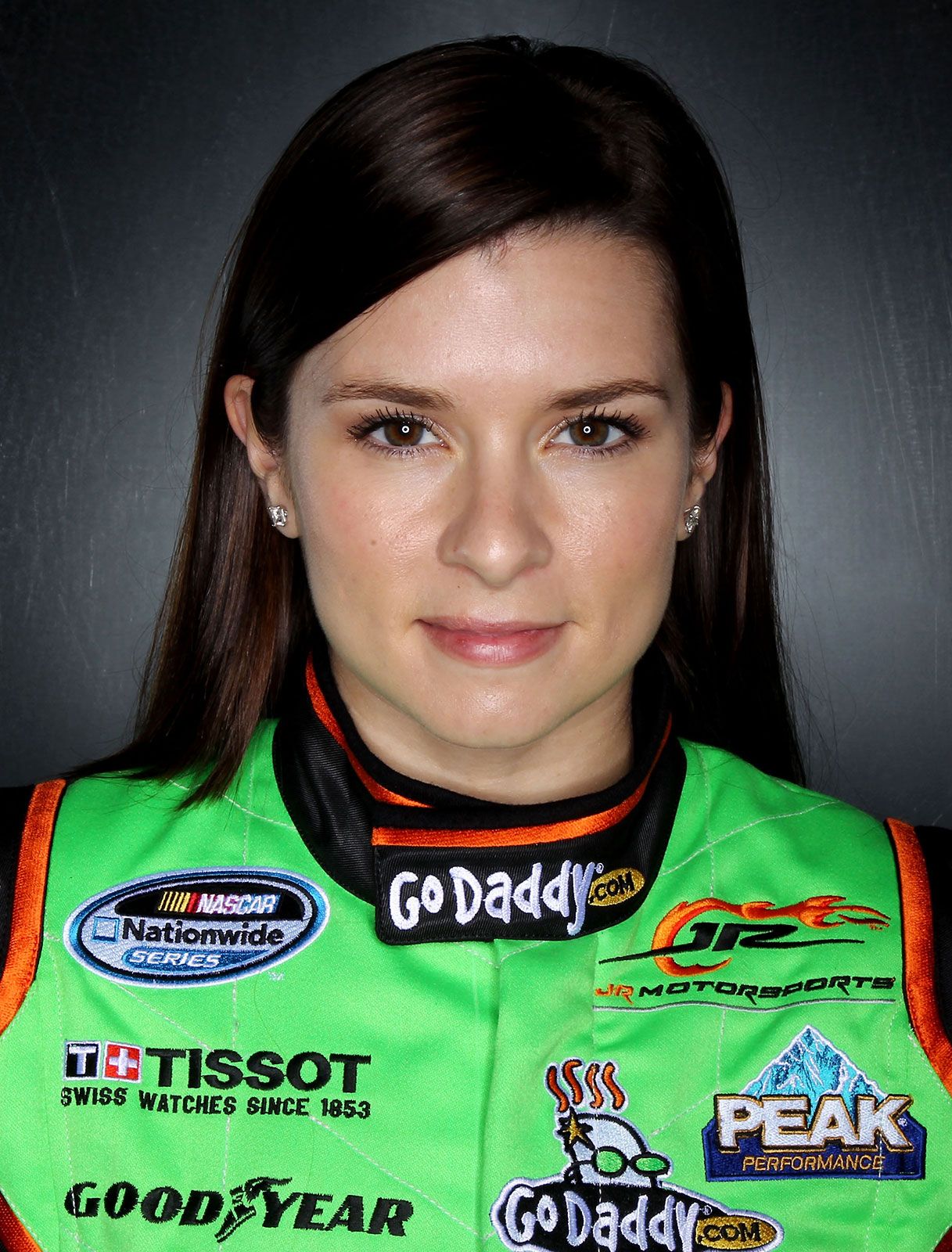
click to enlarge
Danica's Socials:


Take those chances and you can achieve greatness, whereas if you go conservative, you’ll never know.
Danica's Details:
Danica's Sponsors:
YOUR SPONSORS LOGOS HERE
YOUR SPONSORS LOGOS HERE
YOUR SPONSORS LOGOS HERE

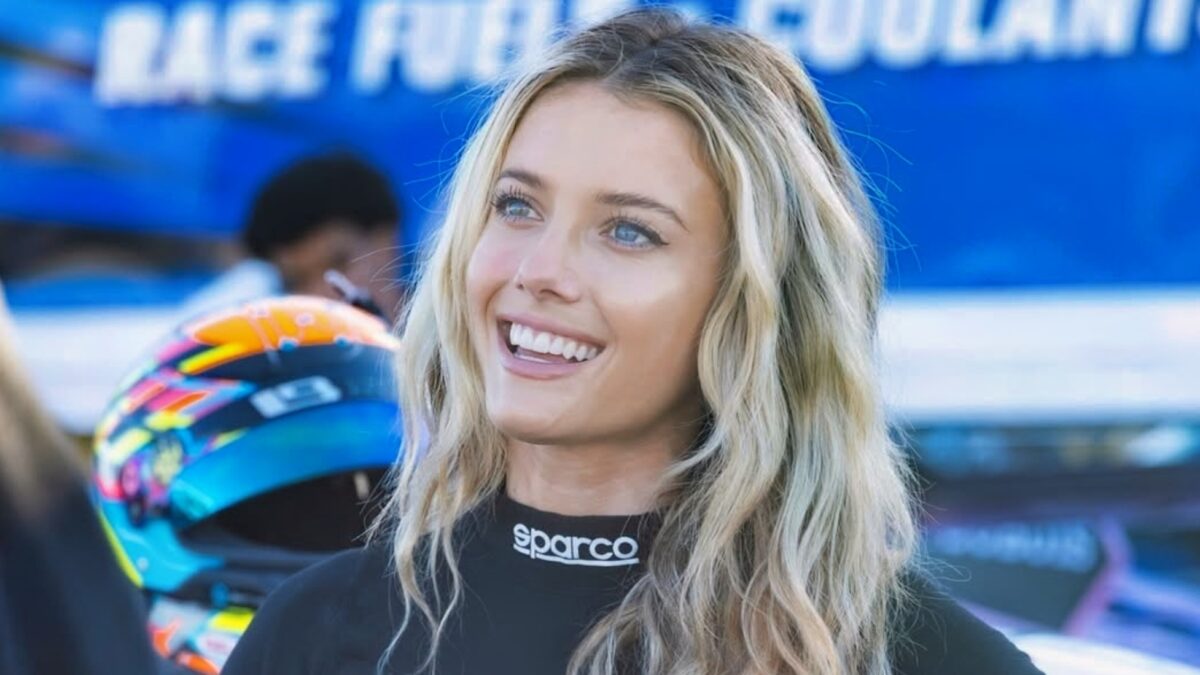
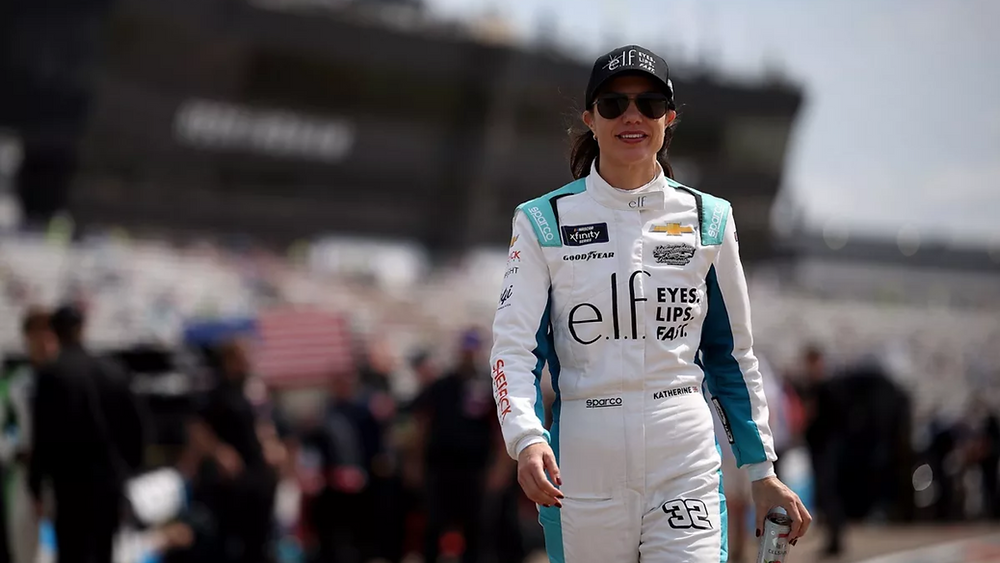
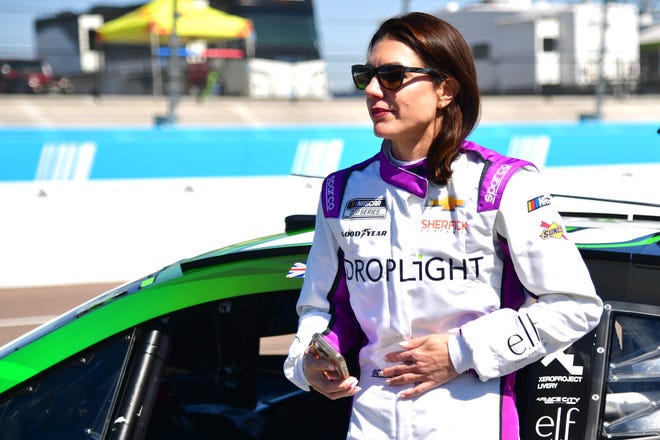
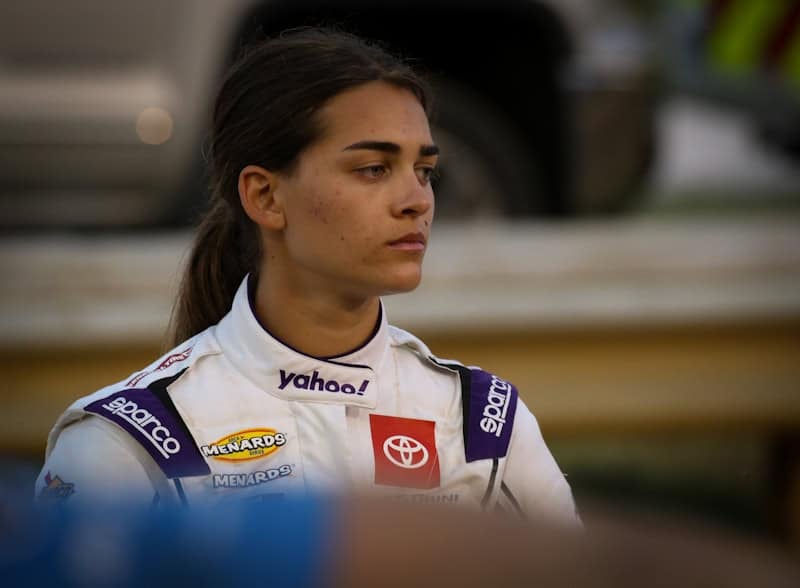


Danica's full bio:
Danica Patrick is the most successful woman in American open-wheel racing history and a trailblazer who rewrote the record books for female drivers across multiple motorsports series before retiring in 2018.
EARLY YEARS
Born March 25, 1982, in Beloit, Wisconsin, Danica Sue Patrick’s racing career began with a simple family gesture: her parents bought her a go-kart when she was 10 years old, hoping it would be something they could do together. What started as quality family time quickly revealed itself as something far more serious. Patrick dominated the regional and national go-kart scene, racking up titles with the kind of intensity that made it clear this wasn’t just a phase.
By 16, she made a decision that would’ve terrified most teenagers and their parents: she dropped out of high school and moved to Europe to pursue road racing in Formula Vauxhall and Formula Ford. It was an all-in bet on herself, the kind of move that either pays off spectacularly or crashes hard. For a Midwest kid who’d only known go-karts, the leap to European open-wheel racing was massive—new tracks, new competition, new continent. But the funding ran out in 2001, forcing her return to the United States. What could’ve been a devastating setback became a pivot point. She wasn’t done—not even close.
OTHER INTERESTS
During her racing career, Patrick’s life was consumed by the track, leaving little publicly documented space for hobbies or side pursuits. After retiring in 2018, she shifted her focus to what she describes as “good food, great wine, fitness, and helping others achieve their goals.” She also began hosting, though the specific nature of that work remains unspecified. For someone who spent decades at triple-digit speeds, her post-racing life seems deliberately slower, more intentional—less about proving something and more about living well.
EARLY SUCCESS
Patrick returned from Europe in 2001 without funding but with serious skills. In 2002, she raced five events in the Barber Dodge Pro Series for Rahal Letterman Racing, getting her feet wet in American open-wheel competition. By 2004, she was making noise in the Toyota Atlantic Series, becoming the first woman to win a pole position in the series and finishing third in the championship. It was clear she wasn’t just participating—she was competing at the front.
Then came 2005, the year that changed everything. Patrick joined the IndyCar Series and immediately made history at the Indianapolis 500. She led 19 laps—the first woman ever to lead the race—and finished fourth, the highest finish ever by a female driver at the Indy 500. She also earned pole positions at Kansas Speedway, becoming only the second woman in IRL IndyCar Series history to do so, and matched the series rookie record with three poles. She was named IRL Rookie of the Year, and suddenly, Danica Patrick wasn’t just a novelty; she was a legitimate threat on the track.
NOTABLE ACHIEVEMENTS
- 2004: First woman to win a pole position in the Toyota Atlantic Series; finished third in championship standings[2].
- 2005: Led 19 laps and finished fourth at the Indianapolis 500, the best finish ever by a woman; named IRL Rookie of the Year; earned pole positions at Kansas Speedway, becoming the second woman in IRL IndyCar Series history to accomplish the feat; equaled the rookie poles record with three[2][3][5][6].
- 2008: Won the Indy Japan 300 at Twin Ring Motegi, becoming the first woman to win a major-league open-wheel race in a North American series; finished sixth in IndyCar Series standings[2][4][5][7].
- 2009: Finished third at the Indianapolis 500, her career-high finish at the race and the best by any woman; finished fifth in IndyCar Series standings[1][2][3].
- 2010: Earned two second-place finishes on oval tracks in the IndyCar Series; made her ARCA debut at Daytona, finishing sixth after an early spin[2].
- 2011: Finished fourth at Las Vegas Motor Speedway in the Nationwide (Xfinity) Series, the best finish by a woman in a NASCAR national series[2][3].
- 2012: Competed full-time in the NASCAR Nationwide (Xfinity) Series, finishing 10th in the standings—the highest by a female driver; became the second woman after Shawna Robinson to earn a pole position in the series[1][2][3].
- 2013: Won the pole position for the Daytona 500, the first woman in NASCAR Cup Series history to do so across 2,534 races; finished eighth in the race, the best finish by a female driver in the Daytona 500[1][3][5][6].
- Career (NASCAR Cup): Recorded seven top-10 finishes over 190 starts, a record for a female driver; finished 38% of races on the lead lap[1][6].
INSPIRATIONS
Patrick’s parents were the catalyst for her racing career, purchasing that first go-kart when she was 10 and introducing her to a world she would come to dominate. Beyond that initial spark, there’s little public documentation of specific drivers, mentors, or figures who shaped her path. What’s clear is that once she got behind the wheel, the drive came from within—a relentless determination to prove she belonged at the front of the pack, regardless of who else was on the track.
REPUTATION
Patrick is widely regarded as the most successful woman in American open-wheel racing history and one of the greatest female drivers overall. She shattered barriers that had stood for decades, setting records that still stand and forcing the motorsports world to reckon with what a woman could achieve in the cockpit. Her transition to NASCAR was rockier—stock cars are a different beast from open-wheel racers, and the learning curve was steep. As former Indy 500 champion and NASCAR driver Juan Pablo Montoya noted, the transition was tough even for seasoned drivers: “They just didn’t understand what she needed out of the car… For me, it was tough because it took me a couple of years to really get the hang of it.” Team personnel acknowledged that Patrick came to NASCAR to learn to drive the cars, not to set them up—a challenge in a sport where setup knowledge is critical. Despite these obstacles, she performed, earning seven top-10 finishes in Cup Series competition and consistently finishing on the lead lap.
The media coverage was extensive, often breathless—headlines about her “stunning the world” and making history were common. And she did make history, repeatedly. But the tone sometimes veered into spectacle, treating her presence as novelty rather than simply racing. Still, her peers and industry professionals recognized her achievements for what they were: legitimate, hard-earned, and groundbreaking. She opened doors, proved doubters wrong, and left a legacy that future female racers will build on.
FUTURE GOALS/PLANS
Patrick retired from full-time racing in 2018 with the “Danica Double,” competing in both the Daytona 500 and the Indianapolis 500 in her final season—a fitting bookend to a career that spanned both stock car and open-wheel racing. Since then, she’s focused on what she calls her “next chapter”: good food, great wine, fitness, and helping others achieve their goals. There’s no indication she plans to return to competitive racing. Instead, she seems content to step away from the constant grind, the politics, and the pressure that defined her career for nearly two decades. She’s done proving herself. Now, she’s just living.
References:
ESPN Career Analysis (2018)
Wikipedia: Danica Patrick
Biography.com: Danica Patrick
This is Engineering: Danica Patrick Profile
Official Danica Patrick Site: Racing Profile
YouTube Interview Summary
Official Danica Patrick Site: Biography